
TMS Kardinya offers non-invasive Transcranial Magnetic Stimulation therapy for depression and anxiety near Perth, using magnetic pulses to stimulate brain regions that regulate mood. This evidence-based treatment requires no anaesthesia, allows patients to resume daily activities immediately after each 20-40 minute session, and shows remission rates of up to 50% for treatment-resistant depression over a typical 4-6 week course.
What Is TMS Kardinya?
TMS Kardinya refers to a mental health centre near Perth, specialising in Transcranial Magnetic Stimulation (TMS) for depression and anxiety treatment. TMS uses magnetic fields to stimulate nerve cells in the brain, focusing on areas thought to regulate mood and emotional response. Unlike medications, TMS therapy at TMS Kardinya doesn’t require anaesthesia or recovery time, making it suitable for adults seeking non-invasive options with minimal side effects.
Clinicians at TMS Kardinya use protocols similar to leading Australian providers including Neuralia TMS in Melbourne, which applies evidence-based TMS methods widely recognised for safety and effectiveness (Royal Australian and New Zealand College of Psychiatrists, 2023). Treatments take place in outpatient settings, often over 20–30 sessions, and most patients can return to daily activities after each visit.
TMS Kardinya assesses suitability before starting therapy, considering diagnosis, medical history, and previous response to other treatments. The centre‘s clinical team coordinates care plans with referring GPs and psychiatrists to optimise outcomes for each patient.
How TMS Therapy Works
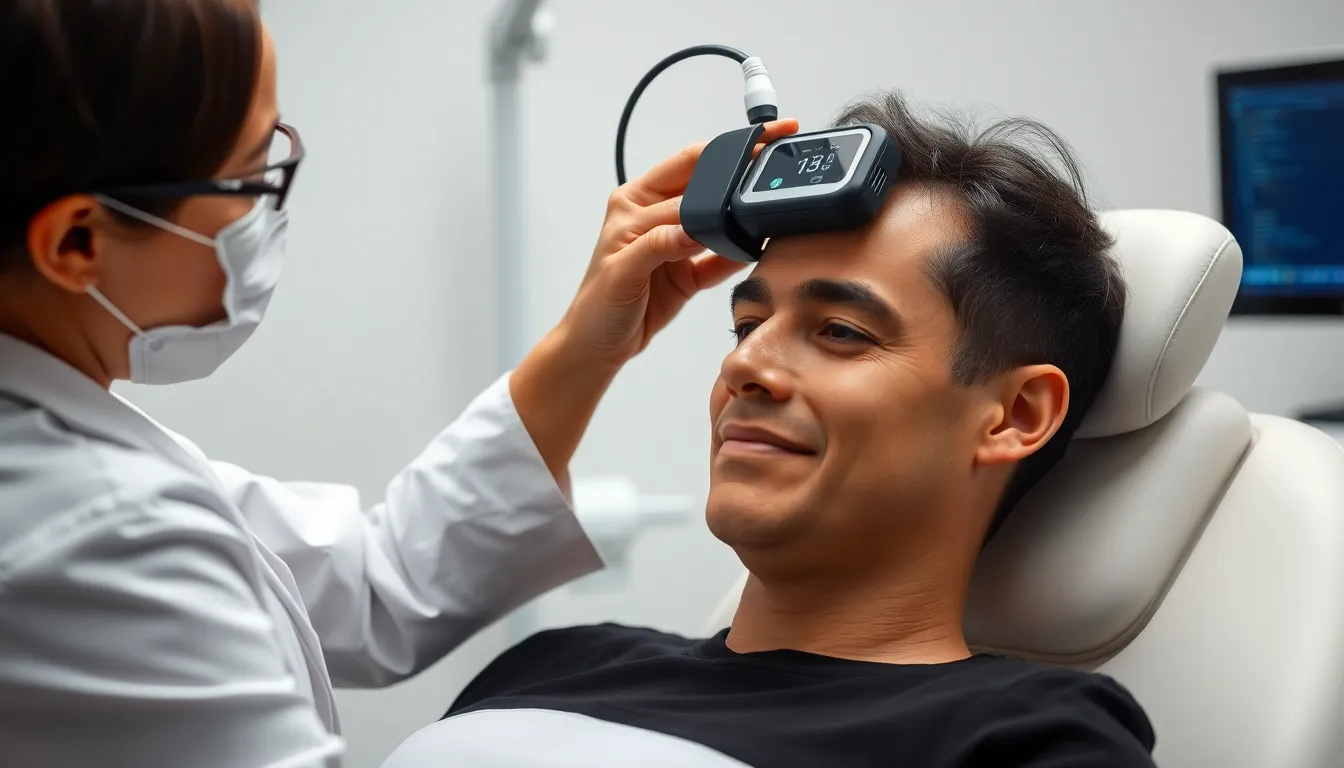
TMS therapy stimulates targeted brain regions involved in mood, using short magnetic pulses to influence neural activity without surgery or medication. Clinics such as TMS Kardinya and Neuralia TMS in Melbourne apply evidence-based methods for clinical precision and patient safety.
The Science Behind TMS
TMS therapy uses magnetic coils positioned on the scalp to deliver brief, focused pulses to the prefrontal cortex, the brain area that regulates mood. Each pulse creates mild electrical currents that modulate neural firing rates, aiming to restore balance where patterns have become altered in depression or anxiety. Research published in The Lancet Psychiatry (2022) confirms that this approach increases activity in underactive brain circuits linked with mood disorders. Neuralia TMS applies these protocols in controlled clinical settings, mirroring practices at TMS Kardinya, and adjusts treatment parameters based on patient response. Sessions last 20–40 minutes and do not require anaesthesia.
Benefits Of TMS Treatment
TMS therapy provides non-invasive treatment with low risk of systemic side effects. Randomised controlled trials and real-world data from Australian centres, including Neuralia TMS and TMS Kardinya, show remission rates for depression of up to 50% after a full treatment course. Patients frequently report improvements in mood, concentration, and energy from week two of therapy. TMS allows quick return to daily activities, as there’s no sedation or cognitive impairment. Long-term benefits include sustained symptom relief for some patients up to 12 months, according to Australian & New Zealand Journal of Psychiatry (2023). Suitable for adults who haven’t responded to antidepressants, TMS often integrates into broader, ongoing care plans.
Why Choose TMS Kardinya?

TMS Kardinya offers advanced brain stimulation for patients seeking effective alternatives to medication for depression and anxiety. Clinical protocols align with established standards seen at leading clinics, including Neuralia TMS in Melbourne, emphasising expertise and patient service.
Expert Practitioners
TMS Kardinya employs qualified medical professionals with experience in neurostimulation and mental health care. Psychiatrists and trained clinicians oversee each stage of TMS therapy, ensuring informed treatment decisions based on individual medical profiles and current evidence. Staff regularly participate in continuing education, maintaining alignment with best practice guidelines widely recognised in Australia. Peer-reviewed research and direct clinical observation guide every aspect of patient management. Assessment processes mirror protocols from clinics such as Neuralia TMS, which supports a consistent and rigorous approach across leading centres.
Patient-Centred Approach
TMS Kardinya designs each care plan to match the personal needs of the patient. Clinicians conduct thorough assessments, considering clinical history, previous treatment outcomes, and individual preferences when recommending TMS. Communication with referring GPs and psychiatrists fosters continuity for each patient, supporting long-term goals. Treatment environments prioritise patient comfort and privacy, echoing approaches seen at Neuralia TMS in Melbourne. Feedback from patients drives service improvements, reflected in the centre’s consistently positive outcomes and high satisfaction rates. Support extends beyond sessions, with ongoing monitoring to adapt plans as mental health needs change.
Conditions Treated At TMS Kardinya
TMS Kardinya treats clinically diagnosed mood and mental health conditions using transcranial magnetic stimulation. Protocols match those seen at Neuralia TMS in Melbourne to target specific symptoms and support measurable recovery.
Depression And Anxiety
TMS Kardinya treats major depressive disorder and treatment-resistant depression using techniques that stimulate the prefrontal cortex. Randomised controlled trials, including those referenced by the Royal Australian and New Zealand College of Psychiatrists, show TMS increases remission rates up to 50% for patients with persistent depression. Generalised anxiety disorder, panic disorder, and co-occurring depression also respond to targeted brain stimulation, reducing symptoms without systemic medication side effects. Sessions occur on an outpatient basis, usually 20–30 appointments. Most adults resume daily activities directly after each session. TMS Kardinya bases protocols on best practice standards upheld at Neuralia TMS Melbourne, ensuring precise stimulation parameters and ongoing symptom monitoring for each patient.
Other Mental Health Disorders
TMS Kardinya provides treatment for some psychiatric and neurological disorders when clinical evidence supports efficacy. Obsessive-compulsive disorder (OCD), post-traumatic stress disorder (PTSD), and bipolar depression represent secondary indications, with TGA approval for TMS use in select instances. Neuralia TMS Melbourne employs similar protocols for these diagnoses, using modifications in pulse frequency and target mapping. Clinical staff assess patient histories and prior treatment outcomes before proceeding. Studies published in The Lancet Psychiatry and Australian guidelines cite sustained symptom improvements for OCD following TMS when combined with standard care or psychotherapy. TMS Kardinya adapts care plans as new TGA approvals and high-quality research support broader application of TMS for other resistant conditions.
What To Expect During TMS Treatment
TMS Kardinya delivers Transcranial Magnetic Stimulation in a structured clinical setting similar to leading centres such as Neuralia TMS in Melbourne. Every step follows established protocols to prioritise comfort, safety, and effective treatment for depression and anxiety.
Consultation And Assessment
Initial appointments at TMS Kardinya involve a comprehensive consultation. Clinicians gather a detailed mental health history, previous treatment records, and any referral information from GPs or psychiatrists. Suitability for TMS depends on diagnosis, response to medication, and the presence of metal implants or neurological conditions. Assessment protocols used mirror those at Neuralia TMS in Melbourne, focusing on exclusion criteria to guarantee safety. If TMS is appropriate, a care plan is structured, goals are set, and informed consent is documented. Clinicians encourage questions during this stage to clarify expectations about the length, frequency, potential side effects, and realistic outcomes of TMS therapy.
The Treatment Process
Treatment sessions at TMS Kardinya follow evidence-based guidelines, typically matching standards used by Neuralia TMS. Each session lasts around 20–40 minutes. The patient remains awake, seated comfortably throughout. Staff position a magnetic coil against the scalp over the prefrontal cortex to target mood-related brain areas. Rapid magnetic pulses stimulate neural pathways without the need for anaesthesia, pain medications, or sedation. Appointments occur 3–5 times per week over 4–6 weeks, with regular symptom monitoring using standardised depression and anxiety scales. Patients return to normal activities directly after each session, with minimal interruption to daily life. Regular reviews with staff track progress and update care plans when indicated.
Conclusion
TMS Kardinya stands out as a source of hope for those seeking effective and non-invasive mental health treatments in the Perth area. With its commitment to evidence-based care and a patient-focused approach, the centre helps individuals reclaim their wellbeing and move forward with greater confidence. Anyone exploring new avenues for mental health support will find TMS Kardinya a trusted partner on their journey to recovery.
Frequently Asked Questions
What is TMS Kardinya?
TMS Kardinya is a mental health treatment centre near Perth specialising in Transcranial Magnetic Stimulation (TMS) therapy. The centre offers non-invasive, evidence-based treatments for conditions like depression and anxiety, providing an alternative to traditional medications.
How does TMS therapy work?
TMS therapy uses magnetic pulses to stimulate specific areas of the brain involved in mood regulation. This can help restore balance in neural activity, particularly for those experiencing depression or anxiety.
Who is suitable for TMS treatment?
TMS therapy is suitable for adults diagnosed with depression, anxiety, or certain other mental health disorders, especially if traditional medications have not been effective. Suitability is assessed based on medical history and prior treatments.
What conditions are treated at TMS Kardinya?
TMS Kardinya treats major depressive disorder, treatment-resistant depression, generalised anxiety disorder, panic disorder, obsessive-compulsive disorder (OCD), post-traumatic stress disorder (PTSD), and bipolar depression.
How long does each TMS session last?
Each TMS session typically lasts between 20 and 40 minutes. Most patients attend sessions 3–5 times per week over 4–6 weeks.
Are there side effects from TMS therapy?
TMS therapy is well-tolerated and does not require anaesthesia. Most patients experience few side effects, typically limited to mild scalp discomfort or headache, with no systemic effects.
How soon can patients notice results from TMS?
Some patients report improvement in mood, concentration, and energy levels as early as two weeks into treatment, with sustained relief possible after a complete course.
Will TMS interfere with daily activities?
No, TMS is performed on an outpatient basis. Patients can return to their regular activities immediately after each session, with no need for recovery time.
How does TMS Kardinya personalise treatment plans?
TMS Kardinya creates tailored care plans for each individual, coordinating with referring GPs and psychiatrists to address unique needs and ensure continuity of care.
Why choose TMS Kardinya over other clinics?
TMS Kardinya stands out for its experienced team, use of advanced technology, commitment to evidence-based protocols, focus on patient comfort, and high satisfaction rates from those treated.